
Review · UNITED KINGDOM
Glasgow: Entry Ticket to the Tall Ship Glenlee
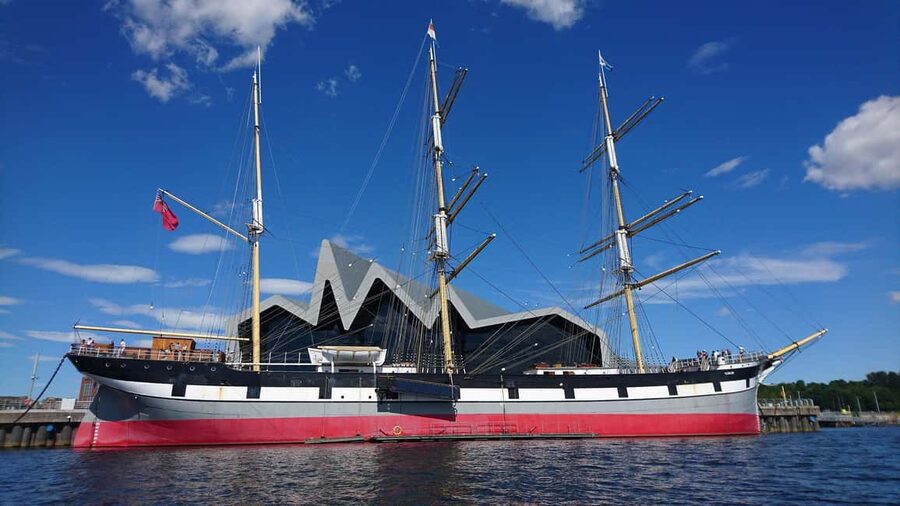
Old ships make history feel close. The Tall Ship Glenlee lets you walk her restored decks and picture daily life at sea in the late 19th century. I like the ship’s changing identity, from British cargo vessel to Spanish naval trainer, and I like the clear connection to Glasgow’s Clydebuilt shipbuilding story. The main drawback is that the visit is short, and access can be difficult if the lift is out of service or the tidal gangway becomes steep.
At about $6 per person, this is an easy addition to a Glasgow sightseeing day. I would allow around 40 minutes aboard, then pair the ship with the nearby Riverside Museum. Call ahead if you need the lift, since one recent visit was spoiled when it was broken and a refund did not solve the problem for a family visiting with grandchildren.
Key things to know before boarding
- Built in 1896: The three-masted barque gives you a direct look at a working sailing ship from Glasgow’s shipbuilding era.
- A ship with several careers: Exhibits trace the Glenlee from British cargo service to Spanish Navy training vessel.
- A short, focused visit: Most people can see the ship in roughly 40 minutes, making it a good companion to the Riverside Museum.
- A café with river views: Refreshments are available aboard, though food and drinks cost extra.
- Historic access limits: A lift is available, but its condition can change, and the tidal gangway may be steep for wheelchairs and prams.
- A modest entry price: At $6, the ticket offers good value if you are already visiting Glasgow’s Riverside Museum area.
A Glasgow ship you can explore from deck to hull
The Glenlee is not simply a ship viewed from the quayside. Your ticket lets you step aboard and move through a floating museum devoted to maritime life and Glasgow’s shipbuilding past.
Built in 1896, this three-masted barque was made for long-distance sailing. The steel hull reflects the work of the Clyde shipyards, whose vessels carried Glasgow’s industrial reputation around the world. You can examine the vessel at close range rather than treating it as a distant monument.
I like this kind of museum because the setting does much of the explaining. On a wall, a date and a paragraph can tell you when the ship was built. On the Glenlee, the deck, masts, fittings, and confined spaces help you understand what that information meant in practice.
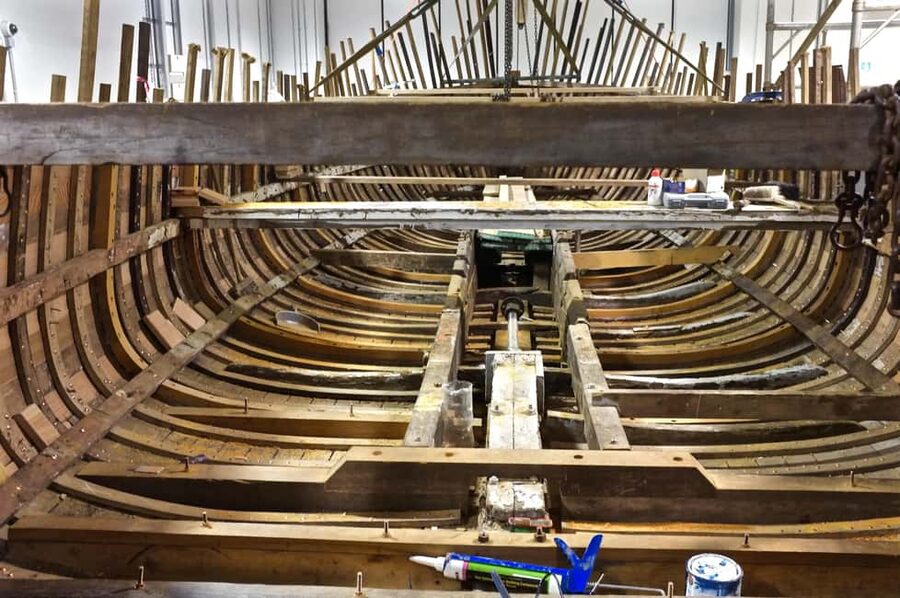
The ship has been restored, but it remains an old vessel. That is part of its appeal. It also means you should expect uneven or restricted access in some areas rather than the broad, level circulation of a modern museum.
More Tall Ship Sailing in the world:
- Key West Schooner Sunset Sail with Bar & Hors d’oeuvres
★ 5.0 · 804 reviews - Toronto Tall Ship Boat Cruise
★ 4.5 · 676 reviews - Hilton Head Pirate Ship Adventure Sail aboard the Black Dagger
★ 5.0 · 668 reviews
Walking the restored decks and imagining life at sea
Start with the decks. They are the strongest part of the visit because they give you a sense of scale and exposure. A sailing ship of this size needed a working crew, and its deck was the place where daily routines, cargo work, and navigation came together.
You can picture the vessel leaving port under sail, with the Clyde behind it and long stretches of ocean ahead. The Glenlee’s three masts make its purpose easy to understand. This was built for wind power and long passages, not for a quick sightseeing cruise.
I would take time to look at the ship’s construction as you walk. The steel hull is an important detail. It links the ship to Glasgow’s industrial skill and helps explain why the city became so closely associated with shipbuilding along the River Clyde.
The visit is not arranged as a long guided tour, and no personal guide is included. That gives you freedom to move at your own pace, but you will need to read the displays and make your own connections. For most people, 40 minutes is enough for a first visit. If you read every panel carefully, you may want more time, but the vessel is not designed as an all-day attraction.
Wear comfortable shoes. You will get more from the visit if you can move carefully around the ship without worrying about sore feet or unstable footwear.
Three lives of the Glenlee, from cargo ship to naval trainer
The most interesting part of the story is the Glenlee’s change of purpose. It began as a British cargo vessel, carrying out the sort of commercial work that kept ports and industries connected. That original role places the ship in the practical world of trade, not just in the romantic image of tall ships under sail.
The vessel later served with the Spanish Navy as a training ship. That change gives the exhibits a useful human angle. The same hull could support commercial cargo work in one period and naval instruction in another. A ship’s life was not always a single fixed chapter.
This is where the Glenlee works better than a static ship model. You can walk through the vessel while learning how its role changed. The displays help fill in the details, while the ship itself gives those changes physical weight.
I would pay special attention to the displays about the Spanish Navy period. The supplied information does not promise a full guided explanation at every point, so you should plan to learn through the exhibition material rather than expect staff-led storytelling.
The ship’s story also gives you a wider view of maritime work. A vessel was a workplace, transport system, training setting, and national asset at different points in its life. That is a lot of history to fit into a short stop, but the central idea is clear.
Exhibitions about Glasgow and the River Clyde
The exhibitions connect the Glenlee to Glasgow rather than treating it as an isolated old boat. They explain the shipyards of the Clyde and the craftsmanship behind its steel hull.
That connection matters. You are not just looking at a ship that happens to be moored in Glasgow. You are looking at an object shaped by the city’s industrial identity. The ship provides a useful way to understand why the Clyde mattered to maritime trade and ship construction.
I find the exhibitions most useful when paired with the physical details around them. Read a panel about the shipyards, then look at the steelwork. Learn about the Glenlee’s cargo career, then consider the deck as a working space. The museum format encourages you to move between written information and the vessel itself.
The displays also help younger visitors follow the story. Children who might not read every panel can still explore the decks and see how a sailing ship differs from a modern ferry or cruise ship. Adults get the industrial and naval context, while families get a compact, hands-on museum stop.
Do not expect a huge collection of galleries. This is a ship visit with exhibitions aboard, not a large maritime museum spread across several buildings. That is both a strength and a limit. The subject stays focused, but the visit will feel brief if you want a major museum experience.
Same water, a different boat:
- Malaga: Catamaran Sailing Trip with Sunset Option
★ 4.4 · 8,613 reviews - Oslo: Oslo Fjord Sightseeing Cruise by Sailing Ship
★ 4.5 · 5,790 reviews - Valencia: Sailing Catamaran Cruise with Sunset Option and DJ
★ 4.1 · 4,270 reviews - Lloret de Mar: Catamaran Sailing Cruise with BBQ and Drinks
★ 4.5 · 3,812 reviews
Why the Riverside Museum pairing works well
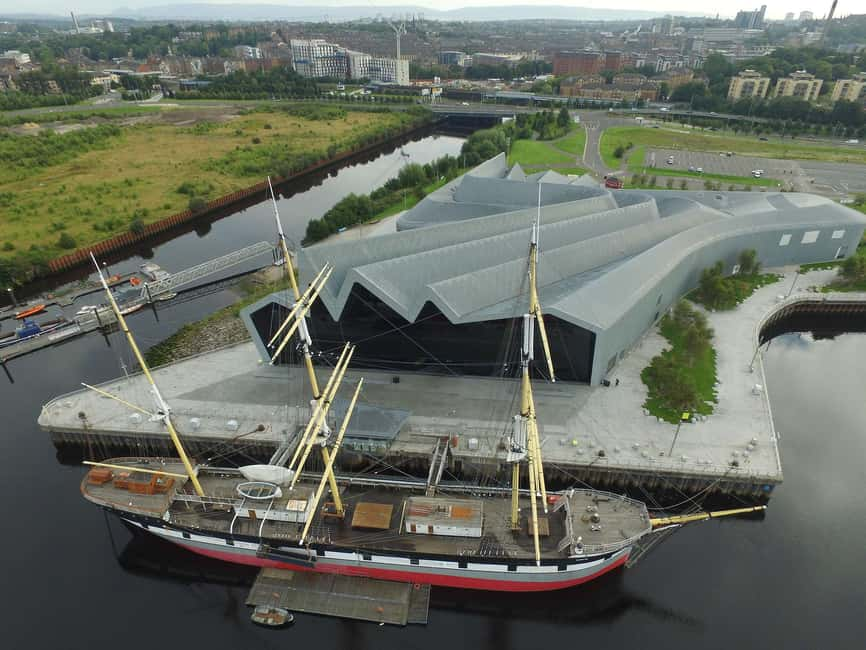
The Glenlee is moored alongside the Riverside Museum, so you can combine both attractions without making a separate trip across Glasgow. This is the most practical way to use the ticket.
The ship offers a concentrated look at one vessel. The Riverside Museum gives you a larger museum setting for Glasgow’s transport and industrial story. Together, they create a fuller day around the River Clyde than the Glenlee can provide by itself.
I would visit the Glenlee when you want something physical and atmospheric, then use the Riverside Museum for broader context. If you are short on time, the ship can fit neatly into a half-day plan. If you have more time, the nearby museum gives you a reason to stay in the area.
The ticket is valid for one day, but that does not mean you need to spend the whole day aboard. The listed average visit is about 40 minutes. Think of the one-day validity as flexibility for fitting the ship around your wider Glasgow schedule.
Café, river views, and nautical souvenirs
The onboard café gives you a place to pause after exploring the decks. It serves refreshments, and the setting offers scenic views of the river. Meals and beverages are not included in the entry ticket, so treat the café as an optional extra rather than part of the admission price.
I like the idea of stopping for a drink here because it extends the visit without pretending the ship itself requires hours of exploration. It also gives you time to look back at the vessel from a less hurried angle.
The gift shop is another small but useful part of the experience. It carries nautical-themed gifts and souvenirs, which may appeal if you want something connected to Glasgow’s maritime identity rather than a generic city memento.
Neither the café nor the shop should be the reason you buy the ticket. They work best as finishing touches after the ship and exhibitions. The main value remains the chance to walk aboard a historic vessel at a low price.
Is $6 good value for a 40-minute visit?
At $6 per person, the Glenlee is fairly priced for a short, focused attraction. You are paying for access to a real historic ship, restored decks, and exhibitions about its working life and Glasgow’s shipyards.
The value is strongest if you are already planning to visit the Riverside Museum. In that case, the Glenlee adds a different kind of experience for a small extra cost. You move from museum displays to an actual ship, which makes the industrial story more tangible.
The value is weaker if you expect a long tour, a guide, or extensive interior access. The ticket does not include a personal tour guide, and the average visit lasts only 40 minutes. Meals and drinks cost extra as well.
For families, the price is especially easy to justify if children enjoy vehicles, ships, or physical places they can explore. For adults interested in Glasgow’s maritime past, the connection to the Clyde shipyards makes the ticket worthwhile even though the visit is short.
I would not build an entire day around the Glenlee alone. I would use it as a compact attraction within a Riverside Museum visit or a wider Glasgow itinerary.
Accessibility and the practical reality of an old vessel
The Glenlee is described as wheelchair accessible, and a lift is available for disabled access. However, the lift requires regular maintenance, so you should call ahead to confirm that it is working before you arrive.
That warning is important. A recent February 2026 visit found the lift broken. A refund was offered, but that was not a practical solution for a family visiting with grandchildren. If lift access is essential for you or someone in your group, checking in advance is not a minor precaution. It should be part of your planning.
The River Clyde is tidal, and the gangways leading to the ship can become steep. This may make access difficult for prams and wheelchairs even when the onboard lift is operating.
Some parts of the ship have limited access because of its historic design. You should expect narrow or restricted areas and accept that not every section may be reachable by every visitor.
Assistance dogs are allowed, but other pets are not. Flash photography is not allowed. Bring comfortable shoes, and allow extra time if you need to board carefully.
Who will enjoy the Glenlee most?
I would recommend the Glenlee to several types of visitor:
- You enjoy ships, engineering, or Glasgow’s industrial past.
- You want a short attraction that fits beside the Riverside Museum.
- You are visiting with children who like exploring real vehicles and historic places.
- You prefer a self-guided visit rather than a scheduled tour.
- You want a low-cost activity with a clear local connection.
It may not suit you if you want a long, guided maritime tour or fully open access throughout a vessel. The historic layout is part of the charm, but it also creates practical limits.
The ship is also a good choice for a rainy Glasgow day, although the information provided does not specify how much of the route is sheltered. I would still plan sensible clothing and shoes because you are visiting a vessel rather than a standard indoor gallery.
My verdict: book it as part of a Riverside Museum day
I would book the Tall Ship Glenlee if you have an interest in Glasgow, ships, or industrial history and can pair it with the Riverside Museum. The $6 price is modest, the story is distinctive, and walking the decks gives you something a display case cannot.
I would be more cautious if you need dependable step-free access. Call ahead to check the lift, and remember that the tidal gangway can still be steep. If the ship is your only planned activity, 40 minutes may feel too short.
For most visitors, the best plan is simple: explore the ship, read the exhibitions, enjoy a café stop if you want one, browse the nautical shop, and then continue into the Riverside Museum. It is a compact Glasgow experience with real character, provided you arrive with realistic expectations about time and access.
FAQ
Where is the Tall Ship Glenlee located?
The Glenlee is moored in Glasgow alongside the Riverside Museum.
How long does a visit to the Glenlee usually take?
The average visit lasts about 40 minutes.
What does the admission ticket include?
The ticket includes entry to the Tall Ship Glenlee and access to its exhibitions.
Does the ticket include food or drinks?
No. Meals and beverages from the onboard café are not included.
Is a tour guide included?
No personal tour guide is included. You explore the ship and exhibitions independently.
Is the Glenlee wheelchair accessible?
It is described as wheelchair accessible and has a lift for disabled access. Some areas remain limited because of the vessel’s historic design.
Should I call ahead about accessibility?
Yes. The lift requires regular maintenance, so call ahead to confirm it is working. The tidal gangway can also become steep for wheelchairs and prams.
Are pets allowed aboard?
Pets are not allowed, but assistance dogs are permitted.
Can I cancel my booking?
You can cancel up to 24 hours in advance for a full refund. A reserve-now, pay-later option is also available.
Just added around the world
- Marbella sailboat rental, dolphins, drinks and snacks – 2 hours★ 5.0 · 16 reviews
- Maui: Ka’anapali Luxury Sunset Cocktail Sail with Open Bar★ 4.5 · 5 reviews
- Spend the Day on Buzzards Bay – Sailing Trips★ 5.0 · 6 reviews
- Sailing day in the heart of the Calanques★ 4.5 · 61 reviews
- Marbella- sunset from a sailboat with drinks★ 4.5 · 33 reviews
- Navigation/Sailing License★ 5.0 · 5 reviews
- Private Yacht Sailing along the Marbella Coast★ 5.0 · 7 reviews
- Private Sailing – dolphin Experience Estepona – drink & food – 4h★ 4.5 · 47 reviews
Tall Ship and Schooner Sailing, compared.
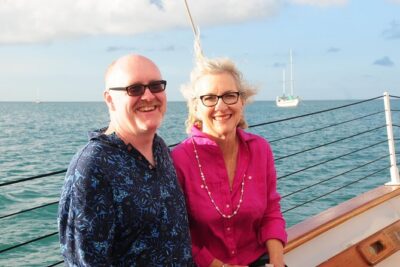
Key West Schooner Sunset Sail with Bar & Hors d’oeuvres
Read our review →
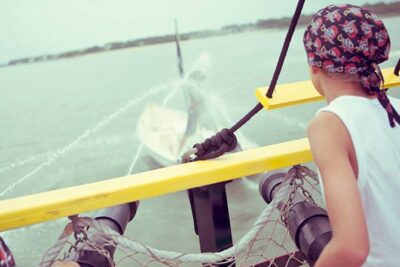
Hilton Head Pirate Ship Adventure Sail aboard the Black Dagger
Read our review →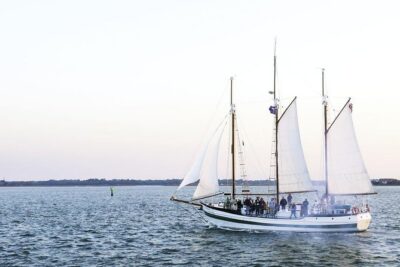
Afternoon Schooner Sightseeing Dolphin Cruise on Charleston Harbor
Read our review →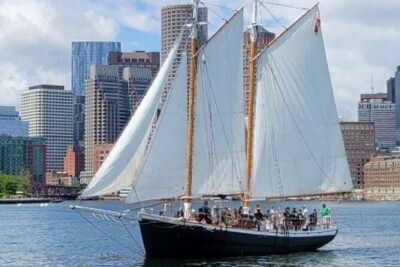
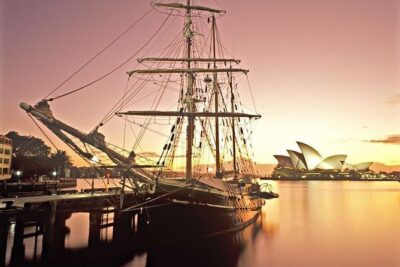
Sydney Harbour Tall Ship Twilight Dinner Cruise
Read our review →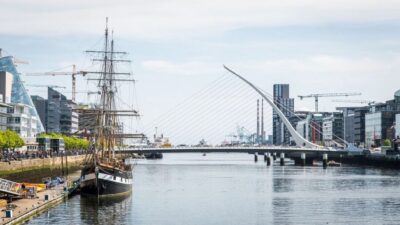
Jeanie Johnston Tall Ship Irish Famine History Tour
Read our review →Browse the lists this tour appears in