
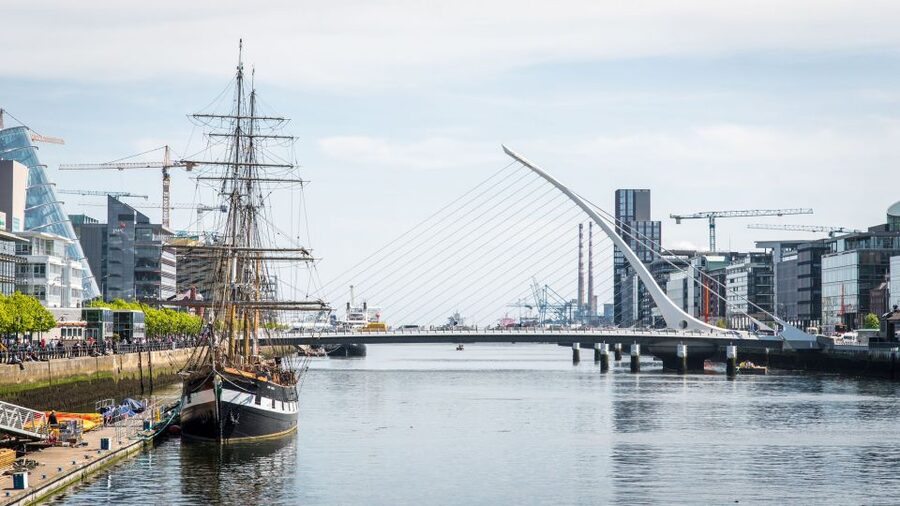
Review · DUBLIN COUNTY
Dublin: Jeanie Johnston Tall Ship Irish Famine History Tour
History feels different below deck. The Jeanie Johnston gives Dublin’s famine story a physical setting, not just dates in a display case. I like the contrast between the handsome upper deck and the cramped quarters below, and I value the guides’ ability to turn a difficult subject into personal stories. The main drawback is access: steep, confined areas make this tour unsuitable for wheelchair users and people with limited mobility.
At $16 per person, this is a strong-value Dublin activity, especially if you want something short, central, and meaningful. The 50-minute tour works well between other Docklands sights, though the fixed route and short running time mean you will not get a full museum visit or a long period to explore alone.
Key points to know before you go
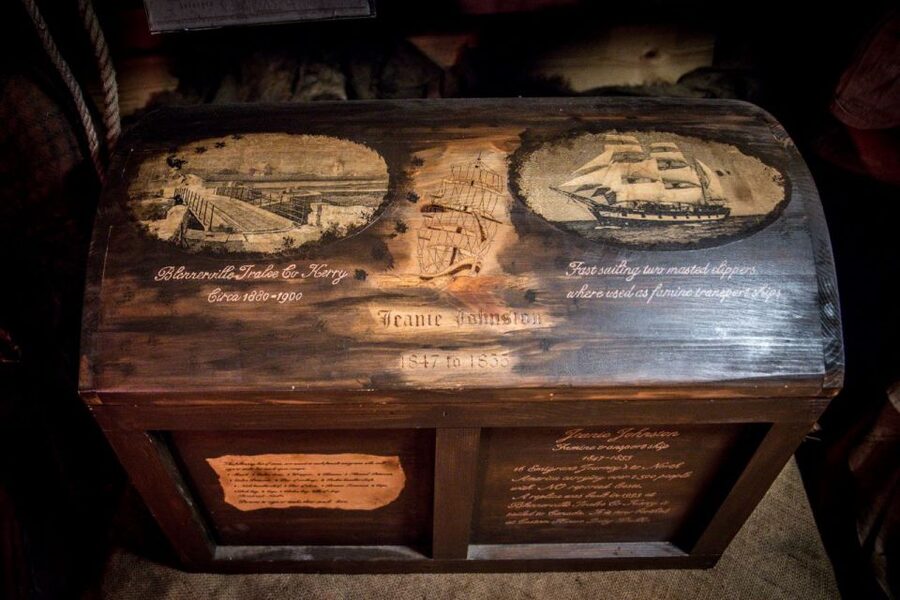
- The ship tells two stories: You learn about the original Jeanie Johnston, its work in the timber trade, and its later role carrying people across the Atlantic.
- Below deck is the emotional center: The cramped quarters help you picture how as many as 250 passengers lived during a long ocean crossing.
- The guide makes the difference: Guides including Steve, Claire, Josh, Owen, Ronan, Katrina, Catriona, Eoin, and Gearoid have been praised for clear explanations, humor, and friendly answers.
- The tour is short but focused: In 50 minutes, you see the upper deck, go below, and hear about famine, migration, food, payment, disease, and life after arrival.
- Dublin Docklands is part of the setting: From the deck, you get fresh air, harbor sounds, and a useful view of the area around Custom House Quay.
- Plan for stairs and tight spaces: Comfortable shoes are advised, and the tour is not suitable for wheelchair users or people with limited mobility.
Why the Jeanie Johnston belongs on your Dublin list
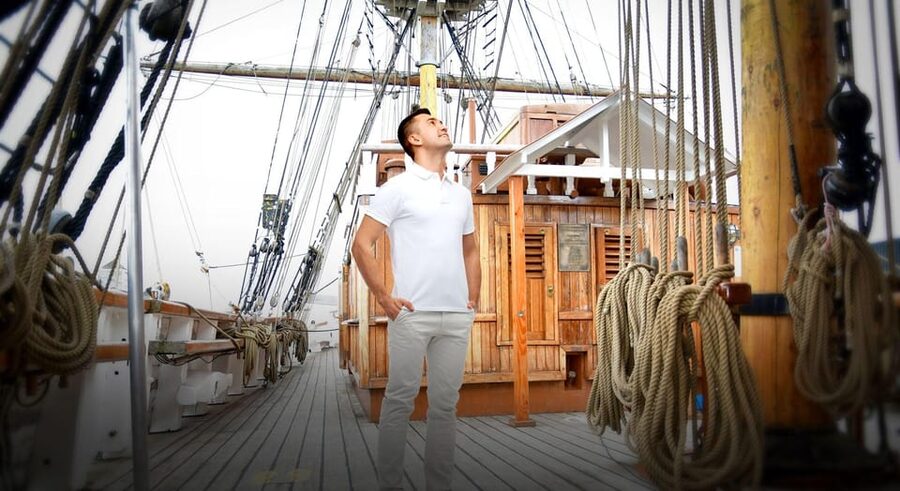
Dublin has plenty of polished attractions, but the Jeanie Johnston offers something more direct. You walk onto a full-sized tall ship and hear what it meant to leave Ireland during the famine years. The vessel gives the story weight. A dark passage or low ceiling can say more than a panel of text.
The famine forced about one million Irish people to leave Ireland. The tour places the Jeanie Johnston within that huge movement, then narrows the focus to the passengers and crew who made the crossing. That approach works well. You get the broad setting, but the people remain at the heart of the story.
I especially like that the tour does not treat the ship as a pretty object alone. You will hear about its construction, its work carrying timber, and its later use as a passenger ship. Then the guide brings you into the daily reality of the voyage: food, payment, illness, limited fresh air, and the uncertain future waiting at the far end.
The result is serious without being dry. Several guides have been praised for mixing humor with care, which matters when the subject includes hunger, disease, and death. The best guides make the story accessible to children and adults without making light of the suffering.
More Tall Ship Sailing in the world:
- Key West Schooner Sunset Sail with Bar & Hors d’oeuvres
★ 5.0 · 804 reviews - Toronto Tall Ship Boat Cruise
★ 4.5 · 676 reviews - Hilton Head Pirate Ship Adventure Sail aboard the Black Dagger
★ 5.0 · 668 reviews
Starting on the upper deck
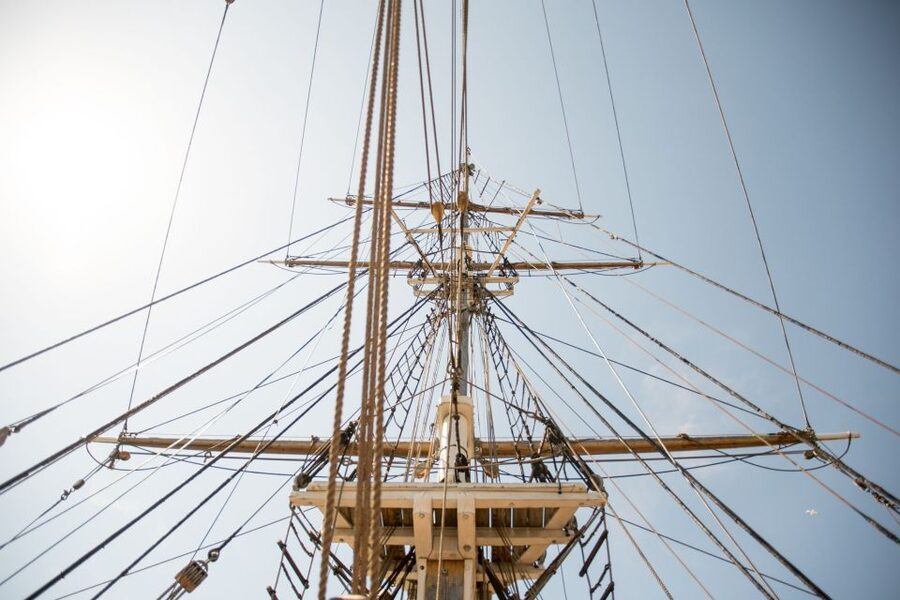
The tour begins at the Jeanie Johnston Tallship, at City Moorings on Custom House Quay in Dublin 1. You first walk around the upper deck, where the ship’s masts, rigging, and timber construction give you a quick lesson in how tall ships worked.
This part has a lighter feel. You can look up at the masts, study the craftsmanship, and take photographs from one of the Docklands’ most recognizable attractions. The river air and calling gulls add something a museum room cannot provide.
The guide also explains why the ship changed careers. The original vessel was built for the timber trade before carrying emigrants. That detail helps you see the ship as a working part of nineteenth-century shipping, not simply as a symbol of Irish migration.
You also hear about the original Jeanie Johnston and the building of the replica now moored in Dublin. The replica gives you a clear setting for the story, while the guide’s explanation connects the physical ship to the historical vessel.
This opening section is useful for getting your bearings. If you arrive early, you may be tempted to take photographs and admire the ship before the guide starts. Keep your attention on the explanation too, since the background about tall ships and the shipping trade gives the lower deck story more meaning.
Going below deck into cramped quarters
Below deck, the tone changes. The ceilings feel lower, the space tighter, and the idea of a long Atlantic voyage becomes much easier to picture. The tour explains that up to 250 passengers spent most of their time in these confined living quarters.
Passengers were allowed out for only about half an hour of fresh air each day. That single detail helps you understand the strain of the crossing. It is one thing to hear that conditions were cramped. It is another to stand in the space and imagine families spending day after day with little room, limited privacy, and poor sanitation.
The guide introduces individual passengers and crew members, then explains their personal circumstances. You learn how people paid for the crossing, what they ate, and how they passed the time. These details keep the story grounded in ordinary choices. People were not simply part of a large migration figure. They had families, worries, hopes, and very practical problems to solve.
The ship’s lower level is also where you hear about the risks. Disease, starvation, and disaster were real threats on famine ships. The tour does not soften the conditions, but it presents them in a way that is easy to follow.
Some visitors find the mannequins and confined setting intense. One family guide helped a ten-year-old visitor get over a fear of the figures on board, so families should not assume the tour is too difficult for children. Still, parents may want to prepare younger children for a serious story and an unusual interior setting.
Passenger stories make the history personal
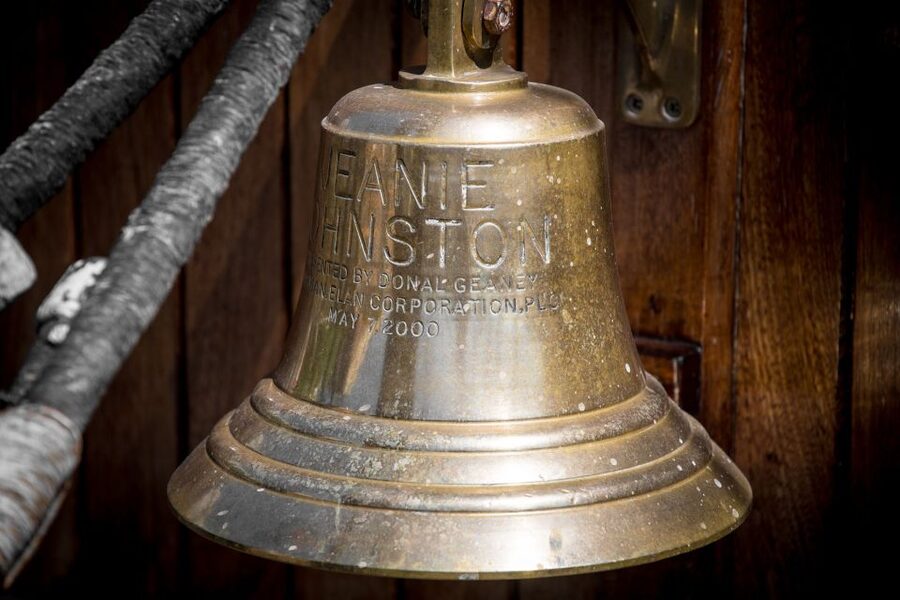
The strongest part of the Jeanie Johnston tour is the focus on people. Broad facts about the famine matter, but personal stories help you understand what leaving home involved.
You hear about the passengers’ reasons for traveling, the way they paid, and the future that awaited them. The guide also explains the choices made by the crew and the routines needed to keep the ship moving. That combination gives you both sides of the crossing.
The journey was not a holiday voyage. Passengers faced hunger, sickness, filth, and uncertainty. Many were leaving because staying in Ireland had become impossible. The tour makes clear that migration was often an act of survival, not a simple search for adventure.
One striking detail highlighted during the tour is that nobody died during the Jeanie Johnston’s 16 voyages to America. That fact does not erase the misery of the conditions, but it gives the ship a distinct place in the story of famine-era crossings. It also shows why the crew and the vessel became important parts of the passengers’ survival.
I appreciate the balance here. The tour does not pretend that one ship represents every famine voyage. Instead, it uses this ship to show what a crossing could mean and then adds the wider context of the one million people who left Ireland.
More History Tours in the world:
- Historical San Juan Bay Sunset Sailing Tour
★ 4.5 · 710 reviews - Lisbon Sunset Sailing with Portuguese Wine and History
★ 5.0 · 668 reviews - Lisbon: Sunset Sailing with Portuguese Wine and History
★ 5.0 · 270 reviews - Nydri: Sailing Through History. Daily Cruise with Beach BBQ
★ 4.9 · 253 reviews
The guides shape the 50-minute visit
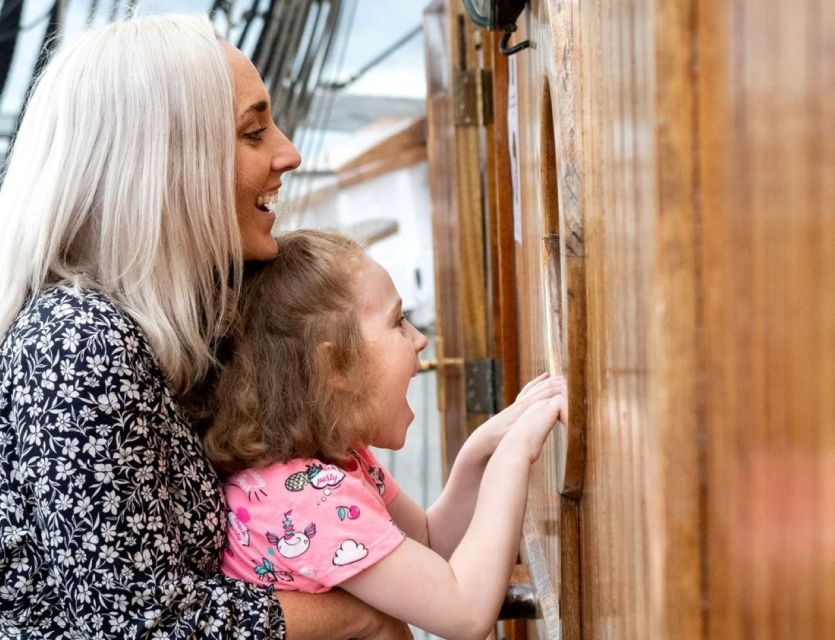
A good guide is essential on a ship this size. The space itself is interesting, but the stories give it purpose.
Steve has been praised for being clear, friendly, informative, and entertaining, including with families whose children ranged from seven to fifteen. Claire has been described as funny and well informed, while Josh was praised as a strong storyteller. Owen, Ronan, Katrina, Catriona, Eoin, Gearoid, and others have also been singled out for answering questions and making the history easy to understand.
You should expect an English-language tour with a live guide. The strongest guiding style here seems to combine facts with conversation. Guides ask where people come from, invite questions, and adjust their explanations for different ages. That is useful on a subject that can otherwise feel remote.
The tone varies slightly by guide, which is normal for a live tour. Some may lean more toward humor, while others may emphasize the emotional side of the crossing. Either way, the repeated praise for clarity and warmth suggests that the human delivery is a major part of the price.
The 50-minute length is another advantage. It is long enough to tell a serious story but short enough to fit into a busy Dublin day. One family found that even a sixteen-year-old stayed engaged, while another guide held the attention of children as young as eight and eleven.
What the $16 price gives you
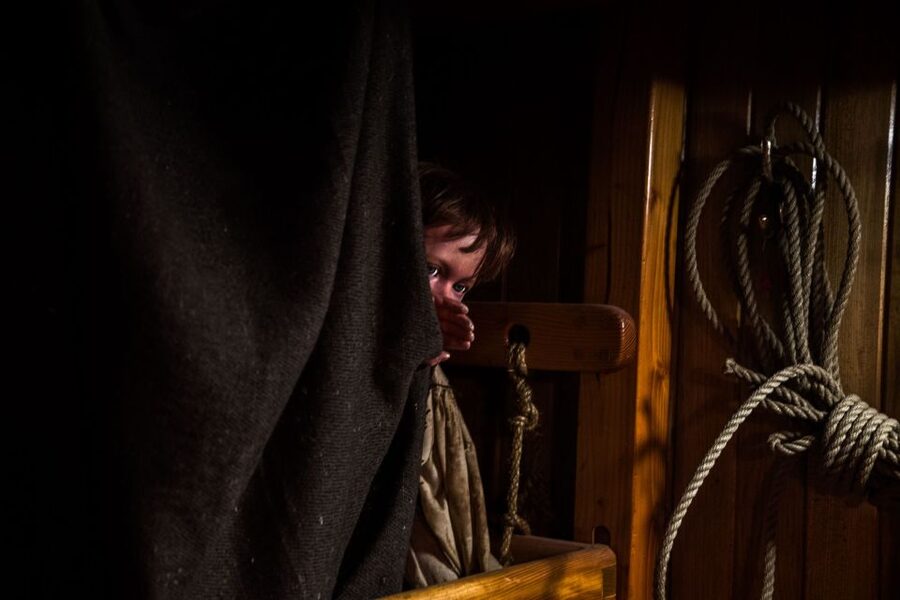
At $16 per person, the tour offers good value if you want a guided historical attraction rather than a quick photo stop. Your admission includes access to the ship and the guided tour. You are paying for the vessel, the setting, and the interpretation that brings the story together.
The value is strongest for visitors who would not get much from reading displays on their own. The guide connects the ship’s design, the Docklands setting, nineteenth-century shipping, and famine migration in one compact visit.
It is also a practical choice for a tight schedule. You return to the same meeting point after the tour, so you do not need to arrange transportation between stops. Hotel pickup and drop-off are not included, but that is not much of a concern for a central Dublin attraction.
I would not choose this tour simply because you want to spend hours exploring a ship at your own pace. The visit is guided and lasts about 50 minutes. If you enjoy focused storytelling, the short format works well. If you prefer a large museum with many rooms and displays, you may find it limited.
Practical details that affect your visit
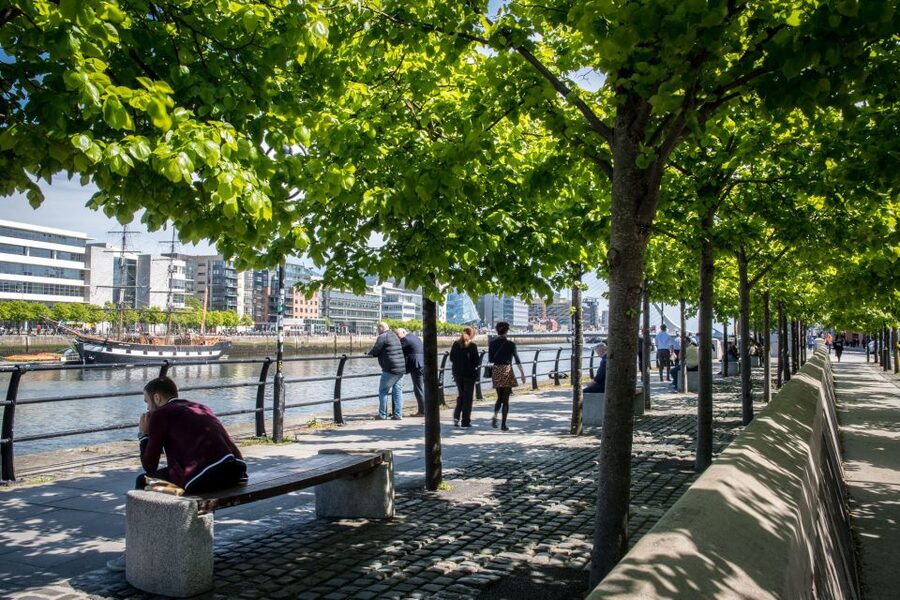
Wear comfortable shoes. You will be moving around a ship, and the tour includes upper and lower areas with confined spaces. The activity is not recommended for people with limited mobility and is not suitable for wheelchair users.
The meeting point is the Jeanie Johnston Tallship at City Moorings, Custom House Quay, Dublin 1. The tour ends back there. Check the available start times when booking, since the listed duration is 50 minutes rather than a full-day activity.
The English-language format should suit most English-speaking visitors, but it is worth planning around the live presentation. You will get the most from the tour if you can hear the guide clearly and stay with the group through both parts of the ship.
Free cancellation is available up to 24 hours before the activity for a full refund. You can also reserve now and pay later, which helps if your Dublin schedule is still changing.
Who will enjoy the Jeanie Johnston most?
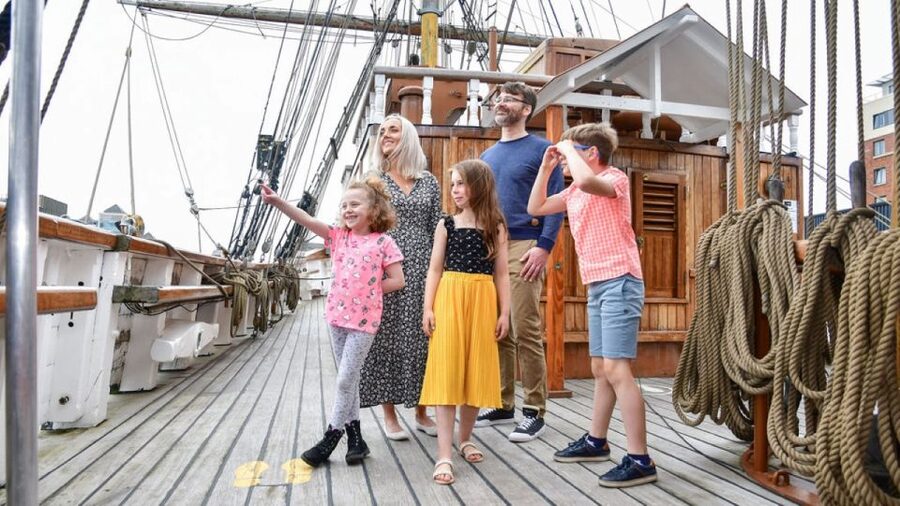
I would recommend this tour to anyone interested in Irish history, migration, maritime travel, or family stories. It is particularly useful if you want to understand the famine through the choices faced by real people rather than through dates alone.
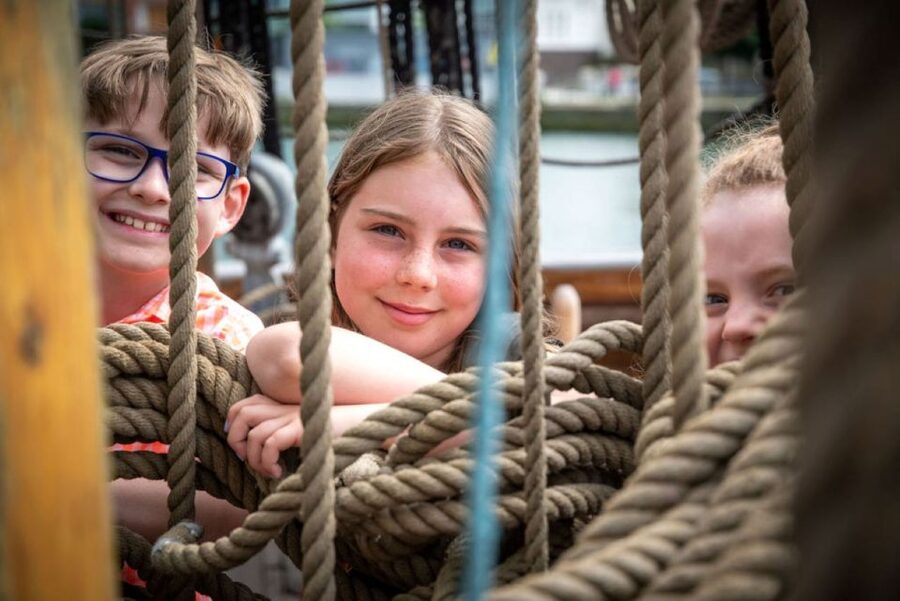
Families can enjoy it too, provided children are ready for a serious subject. The guides have done well at answering children’s questions and keeping younger visitors involved. The ship itself gives restless children something physical to see, although the cramped spaces and mannequins may not suit every child.
The tour also suits repeat visitors to Dublin. It offers a different side of the city from the usual central sights and gives you a reason to spend time around Custom House Quay and the Docklands.
I would think twice if stairs, narrow spaces, or limited mobility are concerns. I would also skip it if your main interest is simply taking photographs of a tall ship. The photographs are a nice extra, but the real purpose is the history below deck.
Should you book the Jeanie Johnston?
Yes, if you want a compact, well-guided lesson in Irish famine migration with a real ship under your feet. The $16 price is fair, the 50-minute format is easy to fit into a Dublin itinerary, and the strongest guides make the experience both moving and approachable.
Book it for the passenger stories, not just the masts and photographs. Go ready for cramped quarters and a difficult subject, wear comfortable shoes, and allow the guide’s details to change how you see the ship. If you need step-free access or a long self-guided visit, choose another attraction.
FAQ
Where does the Jeanie Johnston tour begin?
It begins at the Jeanie Johnston Tallship, City Moorings, Custom House Quay, Dublin 1.
Where does the tour end?
The tour ends back at the meeting point.
How long does the tour last?
The guided tour lasts 50 minutes. Starting times vary, so check availability when booking.
What language is the tour in?
The live guided tour is in English.
What does the admission price include?
The $16 price includes entrance and access to the guided Jeanie Johnston Tallship tour.
Is hotel pickup included?
No. Hotel pickup and drop-off are not included.
What should I bring?
Bring comfortable shoes for moving around the ship.
Is the tour suitable for wheelchair users?
No. The tour is not suitable for wheelchair users or people with limited mobility.
Can I cancel for a refund?
Yes. You can cancel up to 24 hours in advance for a full refund. You can also reserve now and pay later.
Just added around the world
- Marbella sailboat rental, dolphins, drinks and snacks – 2 hours★ 5.0 · 16 reviews
- Maui: Ka’anapali Luxury Sunset Cocktail Sail with Open Bar★ 4.5 · 5 reviews
- Spend the Day on Buzzards Bay – Sailing Trips★ 5.0 · 6 reviews
- Sailing day in the heart of the Calanques★ 4.5 · 61 reviews
- Marbella- sunset from a sailboat with drinks★ 4.5 · 33 reviews
- Navigation/Sailing License★ 5.0 · 5 reviews
- Private Yacht Sailing along the Marbella Coast★ 5.0 · 7 reviews
- Private Sailing – dolphin Experience Estepona – drink & food – 4h★ 4.5 · 47 reviews
Tall Ship and Schooner Sailing, compared.
Key West Schooner Sunset Sail with Bar & Hors d’oeuvres
Read our review →
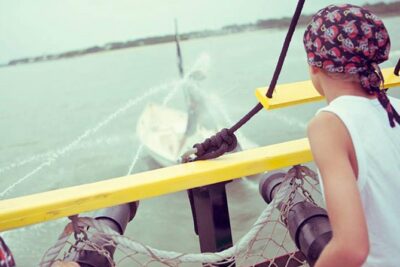
Hilton Head Pirate Ship Adventure Sail aboard the Black Dagger
Read our review →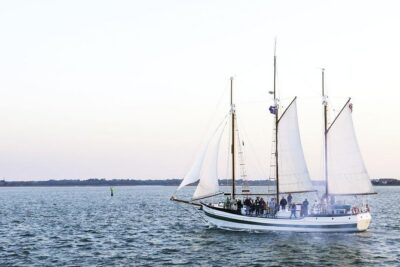
Afternoon Schooner Sightseeing Dolphin Cruise on Charleston Harbor
Read our review →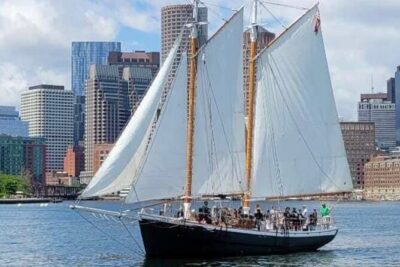
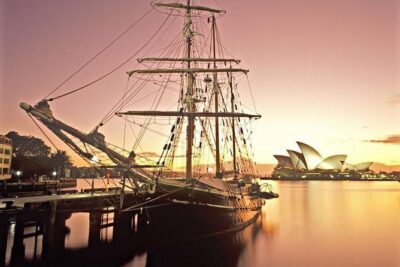
Sydney Harbour Tall Ship Twilight Dinner Cruise
Read our review →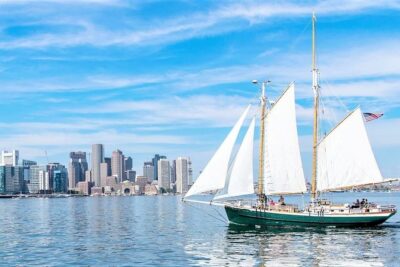
Sunset Sailing Cruise on a Tall Ship in Boston Harbor
Read our review →Browse the lists this tour appears in