
Review · ASWAN
Nile cruise between Aswan and Luxor: Sail the best temples in Egypt
Ancient temples, quiet river hours, and one well-planned route. This four-day Nile cruise links Aswan and Luxor with a fine mix of guided sightseeing and time to rest aboard ship. I especially like that pickup and drop-off are included, and that the price covers the main temple tickets, meals, and cruise accommodation. I also like the strong focus on explanation, with repeated praise for guide Mohamed Gaber’s clear Spanish, humor, and lively teaching style.
The main thing to consider is the pace. The schedule covers a lot in a short time, and some sightseeing begins early. Abu Simbel is optional and costs extra, drinks and tips are not included, and the cruise itself is described as four days while the inclusions list four nights aboard. Confirm those details before paying.
Key points to know before booking
- Aswan to Luxor route: You move north along the Nile while visiting the major temples between the two cities.
- Abu Simbel is optional: It is not included in the ticket price, but it is one of the most important additions to the trip.
- Four nights aboard ship: Accommodation, lunch, and dinner are included, though the exact ship and cabin details are not provided.
- Major sights included: Philae, Kom Ombo, Edfu, Karnak, Luxor Temple, the Valley of the Kings, Hatshepsut’s temple, and the Colossi of Memnon.
- Guide-led interpretation: Mohamed Gaber receives especially warm praise for his Spanish, cultural explanations, theatrical teaching, and personal attention.
- Small enough to feel manageable: The maximum group size is 30 people, a useful middle ground between private touring and a large coach group.
Starting in Aswan with time to settle in
Your pickup begins in Aswan at 6:00 a.m., with collection available from the airport, train station, or a hotel. That flexibility matters because many people reach Aswan by train or domestic flight rather than arriving through one standard meeting point.
Once you reach the boat, you settle into your room and begin the included meal schedule. The first day is intentionally light. You can rest by the pool or go into Aswan independently, which gives you a useful chance to recover from travel before the sightseeing becomes more intense.
I like this unhurried opening. Many Egypt itineraries rush straight from one monument to another, leaving you tired before the main sites appear. Here, you get time to find your cabin, learn the ship’s rhythm, and look out over the Nile without a guide talking every minute.
The trade-off is that independent time in Aswan is not built into a guided city tour. If you want to see more of the city, you will need to arrange that on your own. The experience provides transport at the beginning and end, but the first day does not promise a structured Aswan excursion.
More Nile Felucca Sailing in Aswan:
- 4-Day Nile Cruise sails Aswan to Luxor&Abu Simbel.Hot air Balloon
★ 4.5 · 247 reviews - Sailing Nile Cruise from Aswan to Luxor for 2 Nights
★ 4.5 · 139 reviews - 4-Days Aswan sails Nile Cruise Luxor &Abu Simbel.Hot air Balloon
★ 4.5 · 77 reviews
Abu Simbel and the power of Ramses II
Abu Simbel is scheduled as an optional excursion on the second day. The temples were cut into the rock during the reign of Ramses II and were dedicated to the pharaoh and his wife, Nefertari. The visit lasts about two hours, and the entrance ticket is not included.
I would give serious thought to adding it. Abu Simbel is not just another temple stop. Its scale and setting make it one of the defining sights of southern Egypt, and the connection to Ramses II gives the visit a clear human story: royal power, religious display, and the desire to be remembered.
Since the ticket is extra, ask for the current cost before booking the cruise. The supplied details do not state the Abu Simbel transportation arrangements, so you should also confirm the departure time, vehicle type, and how the excursion fits with the ship’s schedule.
If you skip Abu Simbel, you still have a strong day ahead. If you add it, expect the second day to feel much fuller. This is one of the moments when the cruise’s value depends on your priorities. History enthusiasts may consider the extra cost worthwhile, while those who prefer a slower holiday may be happy with the included sights.
Philae Temple, reached by boat
Philae is dedicated to Isis and sits on an island, so you reach it by boat. That approach adds something important to the visit. The temple is not simply another monument beside a modern road. The short water crossing makes the arrival feel like part of the experience.
The scheduled visit lasts about an hour, with admission included. Your guide’s explanations are especially useful here because Egyptian religious stories can become confusing quickly. Isis, Osiris, Horus, and the other gods appear in different family relationships and forms, and several of the strongest comments about Mohamed Gaber focus on his ability to make those connections understandable.
This is a good example of why a guide matters on a Nile cruise. Without context, you see columns, carved figures, and damaged walls. With a clear explanation, you can follow the story behind the place and understand why Isis was so important.
Kom Ombo and a temple for two gods
The cruise continues to Kom Ombo, an unusual temple built for two gods: Sobek and Haroeris. Sobek is associated with the crocodile, while Haroeris is a form of Horus. The dual design gives the site a useful point of contrast with the other temples on the route.
The visit lasts about an hour, and admission is included. I like the way this stop breaks up the sequence of large royal and state temples. It gives you a chance to see how Egyptian worship could accommodate more than one divine tradition in a single complex.
The schedule is efficient rather than leisurely. An hour is enough for a guided introduction and photographs, but not for a slow, solitary exploration of every carved surface. Keep that in mind if you prefer long visits at archaeological sites.
A few more sailing tours around Aswan worth a look
- 4-Days Nile Cruise sails Aswan to Luxor &Abu Simbel. Balloon tour
★ 5.0 · 49 reviews - Aswan Private Felucca Ride: Sail Around Elephantine Island.
★ 4.5 · 44 reviews - 4-Days Nile Cruise sails Aswan to Luxor &Abu Simbel. Air Balloon
★ 5.0 · 26 reviews - Sailing Nile cruise from Aswan to Luxor includes tours for 3 nights
★ 5.0 · 16 reviews
Edfu Temple, one of the best-preserved stops
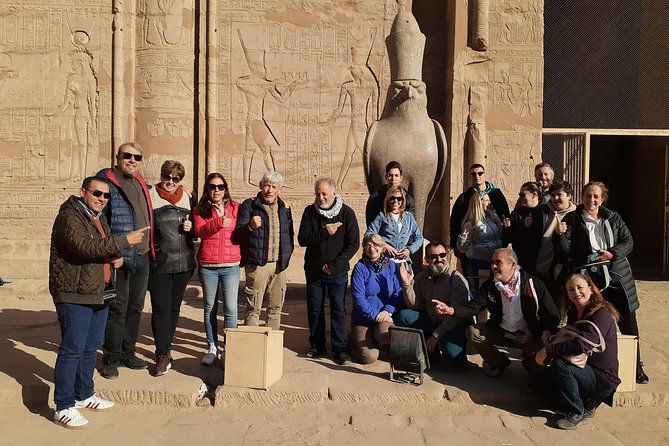
Edfu is dedicated to Horus and receives about two hours in the program. It is described as one of the best-preserved temples from ancient Egypt, which makes it easier to picture how these places once looked before centuries of weather and damage took their toll.
This is one of the most rewarding stops for first-time visitors. You get a clearer sense of a complete temple complex, not just a few surviving sections. The longer visit also gives the guide room to explain the religious stories and the purpose of the different areas.
The guide is an important part of the experience here. Several comments praise Mohamed Gaber’s use of small theatrical scenes and group participation to make explanations easier to follow. That style will suit you if you enjoy history presented with humor and movement. If you prefer to read quietly and explore alone, you may find the guided structure more active than expected.
Karnak and the scale of ancient Thebes
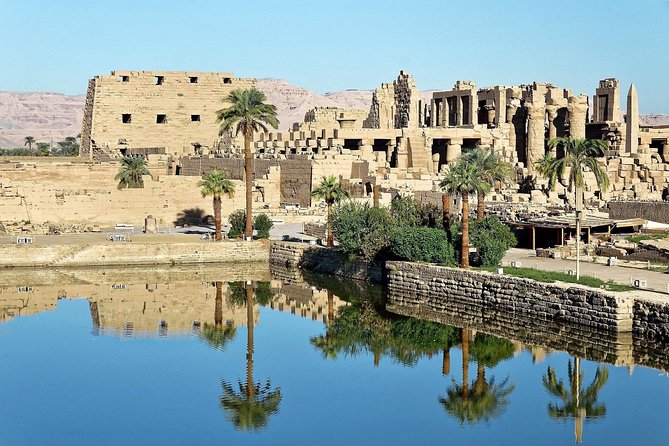
On the third day, the route reaches Karnak, with about two hours at the site. The complex was built and expanded by different pharaohs over more than 2,000 years. Its famous features include the avenue of sphinxes, the forest of columns in the hypostyle hall, and the avenue of rams.
Karnak is one of the places where scale can overwhelm you. Rather than treating it as one simple temple, think of it as a vast religious complex shaped by many rulers. Your guide can help you separate the major areas and understand how the site developed over time.
Two hours is a reasonable introduction, but it will not cover every corner. Wear practical shoes and be ready for sun exposure, since the visit involves moving through a large open archaeological area. The program does not specify shade, water, or the exact order of the visit, so bring your own water and listen carefully to meeting instructions.
Luxor Temple after dark or in the evening
Luxor Temple receives about two hours and is dedicated to Amun Ra, one of the central gods of ancient Egypt. Its connection with kingship makes it a fitting companion to Karnak, and the two sites are often understood together as parts of the religious heart of ancient Thebes.
The experience becomes more meaningful when you recognize that this is not just another columned monument. The temple was linked to royal ceremonies and the worship of Amun. A good explanation turns the carved figures and courtyards into part of a larger story about power, ritual, and the role of the pharaoh.
The schedule places Karnak and Luxor Temple on the same day, so expect a full sightseeing session. That arrangement is efficient, but it may leave you ready for a quiet dinner rather than another activity. Fortunately, the cruise format gives you a place to rest between excursions.
Valley of the Kings and three tombs of your choice
The fourth day begins with the Valley of the Kings, a major burial ground for pharaohs of the New Kingdom. The program includes entry to three tombs of your choice, and the visit lasts about two hours.
That choice is valuable. Rather than being assigned a fixed set of tombs, you can select from the tombs open on the day. The available options may vary, so ask your guide for help choosing. Three tombs can be enough for a rewarding visit, but each one requires attention to painted walls, tight spaces, and the details of the burial story.
Do not expect the Valley of the Kings to feel like a grand outdoor monument. Its importance lies below the surface, inside the carved chambers. The interiors can be more intimate than the vast temples, and the contrast is one of the pleasures of this day.
The inclusion of three tombs is a good value point because entrance fees can add up on a sightseeing-heavy trip. Still, the provided information does not specify whether special tombs require additional tickets. Confirm that with the operator if you have a particular tomb in mind.
Hatshepsut’s temple and the Colossi of Memnon
The mortuary temple of Hatshepsut follows the Valley of the Kings. You have about an hour at this site, built by one of Egypt’s most important queens. Its terraces and formal design offer a different view of royal power from the tombs and temples dedicated to male pharaohs.
The visit is short, but the site works well after the underground tombs. Hatshepsut’s story gives your guide another chance to explain how Egyptian rulers presented themselves, and why her reign remains so notable.
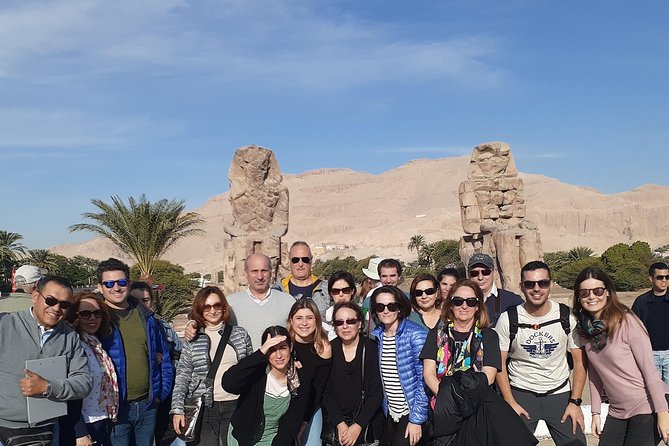
The final monument is the Colossi of Memnon, two huge stone statues representing Amenhotep III. The stop lasts only about 15 minutes and has no separate admission charge. Treat it as a brief photo and orientation stop rather than a full visit.
That short pause is perfectly reasonable. The statues are impressive from the roadside, but the schedule clearly gives the real time to the Valley of the Kings and Hatshepsut’s temple.
What the $500 price really covers
At $500 per person, the cost is easiest to judge as a package rather than as a simple boat ride. It includes pickup in Aswan, transfer in Luxor, four nights of cruise accommodation, four lunches, four dinners, and admission to the listed sites.
That is a useful bundle for someone who wants the major route organized in one booking. You are not paying separately for each transfer between Aswan, the river stops, and Luxor. The included tickets also reduce the need to handle several small payments during a busy sightseeing schedule.
The price does not include drinks or tips. Abu Simbel is optional and its admission ticket is not included. The exact cruise ship, cabin category, breakfast arrangements, and onboard facilities are not described, so ask for those details before committing. The phrase four days also deserves clarification because the inclusions state four nights aboard.
The maximum group size is 30 people. That is not a private tour, but it is smaller than a large package group and should allow the guide to keep the group together more easily. If personal attention is your top priority, ask whether a smaller group or private option is available.
The guide can shape the entire trip
The strongest praise centers on Mohamed Gaber. His Spanish is described as excellent, and his approach combines precise explanations with jokes, short performances, and group participation. That matters in Egypt, where the names of gods, royal titles, and temple functions can blur together after a long morning.
I particularly like the practical care described in the feedback: solving small problems quickly, paying attention to the group, and making the trip feel comfortable as well as informative. Those qualities can matter just as much as formal historical knowledge when you are moving between several sites in hot conditions.
Guide assignments can change, so do not assume Mohamed Gaber will lead every departure. If his language skills or teaching style are important to you, ask the operator to confirm who will guide your group.
Who will enjoy this Nile cruise most
I would recommend this experience to a first-time visitor who wants Egypt’s major temples arranged in a clear route. It suits families, couples, and Spanish-speaking passengers who prefer explanation and company rather than planning every transfer alone.
It also works well if you like a balance of activity and rest. You spend several hours ashore, then return to the ship for meals and quiet river time. That rhythm is easier than changing hotels every night.
You may want a different format if you prefer private touring, long independent visits, or a slower schedule. The itinerary is packed, Abu Simbel adds another early outing, and the group can reach 30 people. This is organized sightseeing, not a loose, spontaneous river journey.
The booking contact is provided through WhatsApp at +20 100 137 0325, with more information at conoceregipto.com. Confirmation is issued at booking. Most people can participate, according to the supplied details, but specific accessibility information is not provided, so ask directly if that affects your plans.
Should you book this Aswan to Luxor cruise?
Book it if you want the main Nile temples, transport, meals, admissions, and cruise accommodation combined at a straightforward price. The route is strong, the included sights are the right ones, and a lively guide such as Mohamed Gaber can make the mythology much easier to understand.
Before booking, confirm the ship, cabin, exact four-day and four-night schedule, drinks, breakfast, tipping expectations, and Abu Simbel arrangements. If those details suit you, this is a practical way to see southern Egypt without wrestling with every transfer yourself.
FAQ
Where does the Nile cruise begin?
The cruise begins in Aswan, Egypt. Pickup is available from an Aswan airport, train station, or hotel.
Where does the cruise finish?
The experience finishes in Luxor Governorate. After checkout, transfer is provided to the Luxor airport, train station, hotel, or another location you specify.
How long does the cruise last?
The advertised duration is approximately four days. The included accommodation is listed as four nights on the cruise, so confirm the precise schedule before booking.
What time does the experience start?
The stated start time is 6:00 a.m.
Is Abu Simbel included?
No. The Abu Simbel excursion is optional, and its admission ticket is not included.
Which meals are included?
Four lunches and four dinners are included. Drinks are not included.
What sites are included in the cruise?
Included visits are Philae Temple, Kom Ombo Temple, Edfu Temple, Karnak Temple, Luxor Temple, the Valley of the Kings, the Mortuary Temple of Hatshepsut, and the Colossi of Memnon.
How large is the group?
The activity has a maximum group size of 30 people.
Just added around Aswan
- Sailing Nile cruise from Aswan to Luxor includes tours for 3 nights★ 5.0 · 16 reviews
- Sailing Nile cruise from Aswan for 2 nights★ 4.0 · 11 reviews
- Private 1-Hour Felucca Sailing and Botanical Garden In Aswan★ 3.5 · 15 reviews
- Sail Through Time:Unforgettable Felucca Ride on the Nile in Aswan★ 5.0 · 15 reviews
- 4-Days Nile Cruise sails Aswan to Luxor &Abu Simbel. Air Balloon★ 5.0 · 26 reviews
- Budget Sailing Nile cruise from Aswan to Luxor for 2 nights★ 4.0 · 4 reviews
- Budget Egypt Sailing Nile cruise from Aswan to Luxor for 3 nights Special Offer★ 4.0 · 4 reviews
- Enjoy Sailing Nile Cruise From Aswan To Luxor For 2 nights With Luxor Tours★ 4.0 · 8 reviews
Nile Felucca Sailing, compared.
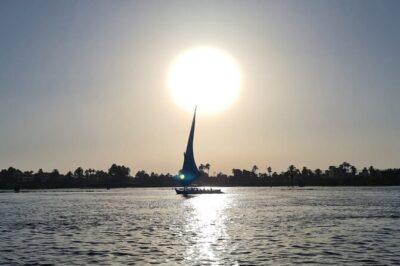
Amazing Sunset sailing by Felucca in Luxor -2 Hours (Private)
Read our review →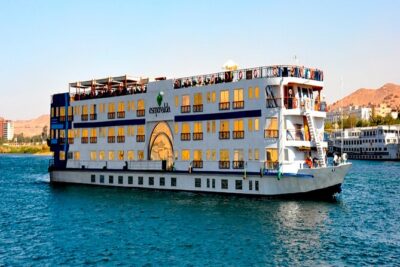
4-Day Nile Cruise sails Aswan to Luxor&Abu Simbel.Hot air Balloon
Read our review →

Sailing Nile Cruise from Aswan to Luxor for 2 Nights
Read our review →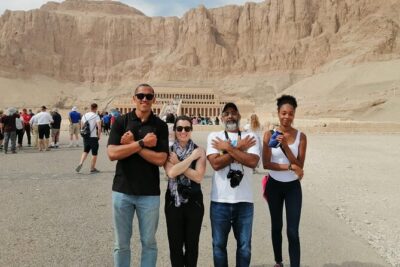
4-Days Aswan sails Nile Cruise Luxor &Abu Simbel.Hot air Balloon
Read our review →
Nile cruise between Luxor and Aswan: Sail the best temples in Egypt
Read our review →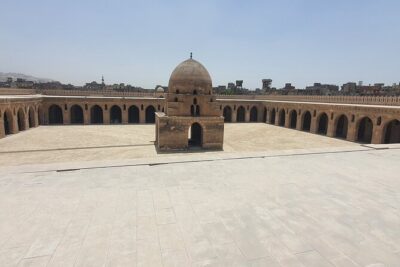
Coptic Cairo, Mosques , sailing on Nile and Bazaar Private Tour with Lunch
Read our review →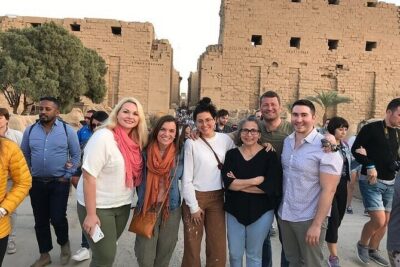
4-Days Nile Cruise sails Aswan to Luxor &Abu Simbel. Balloon tour
Read our review →Browse the lists this tour appears in